
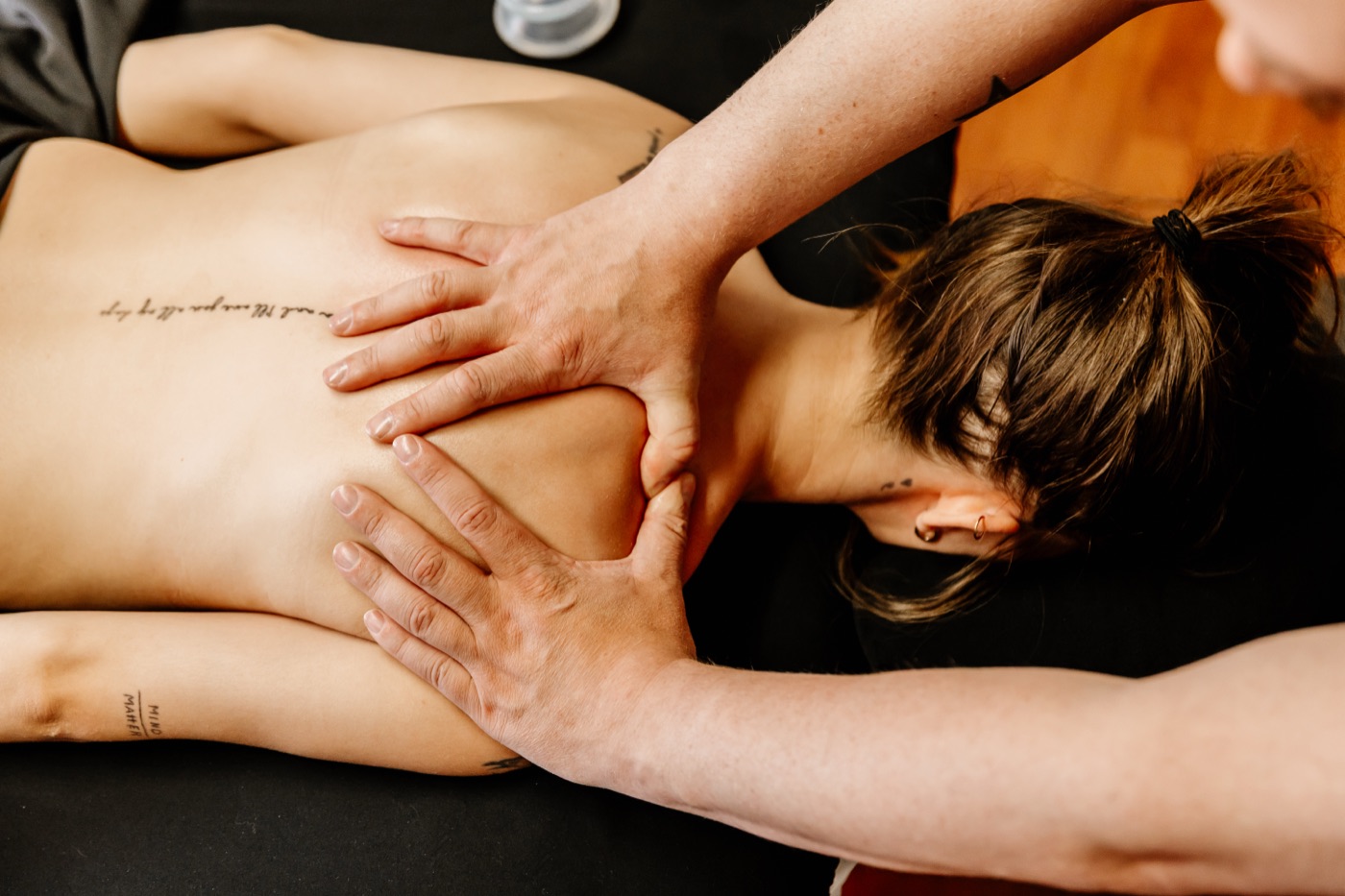
Deep tissue massage should not be a pain contest.
A lot of people hear “deep tissue” and assume the massage needs to hurt before it can help. They expect to clench their teeth, hold their breath, and tolerate as much pressure as possible because that must mean the treatment is working.
That is not how I approach it.
Strong pressure can sometimes feel helpful, but harder does not automatically mean better. The right pressure is the amount your body can comfortably respond to without making you tense up, guard the area, or spend the whole appointment waiting for it to end.
“Deep tissue” can mean different things to different people.
For some, it means very firm pressure. For me, it means treatment that is thorough and meaningful. It means looking beyond the most obvious sore spot and considering how the surrounding areas may be involved.
If we are working on your shoulder, for example, I may also work around your shoulder blade, upper back, neck, chest, or arm. I may move your arm while I work so I can approach the area from different angles.
Sometimes that involves firm pressure. Other times, slower and more patient treatment works better.
I may also combine hands-on massage with movement, RAPID NeuroFascial Reset, cupping, or IASTM when those techniques fit your treatment goals.
The goal is not to force your body into changing. It is to find an approach that feels useful and gives us a better idea of what your body responds to.
You may be used to a massage therapist asking, “How’s the pressure?”
The problem is that it is very easy to automatically answer, “It’s fine,” even when it is not.
I may ask something more specific, such as:
“Would you like more pressure, less pressure, or should I keep it right there?”
After more than seven years in practice, I have gotten pretty good at noticing when someone’s body is becoming tense or uncomfortable. But I still cannot feel exactly what you are feeling.
You know your own body better than I do.
If the pressure feels too light, tell me. If it feels like too much, tell me that too. If you are not sure what you prefer, I can try different levels until we find something that feels right.
You are not being difficult, and you are not interrupting the treatment. Your feedback is part of the treatment.
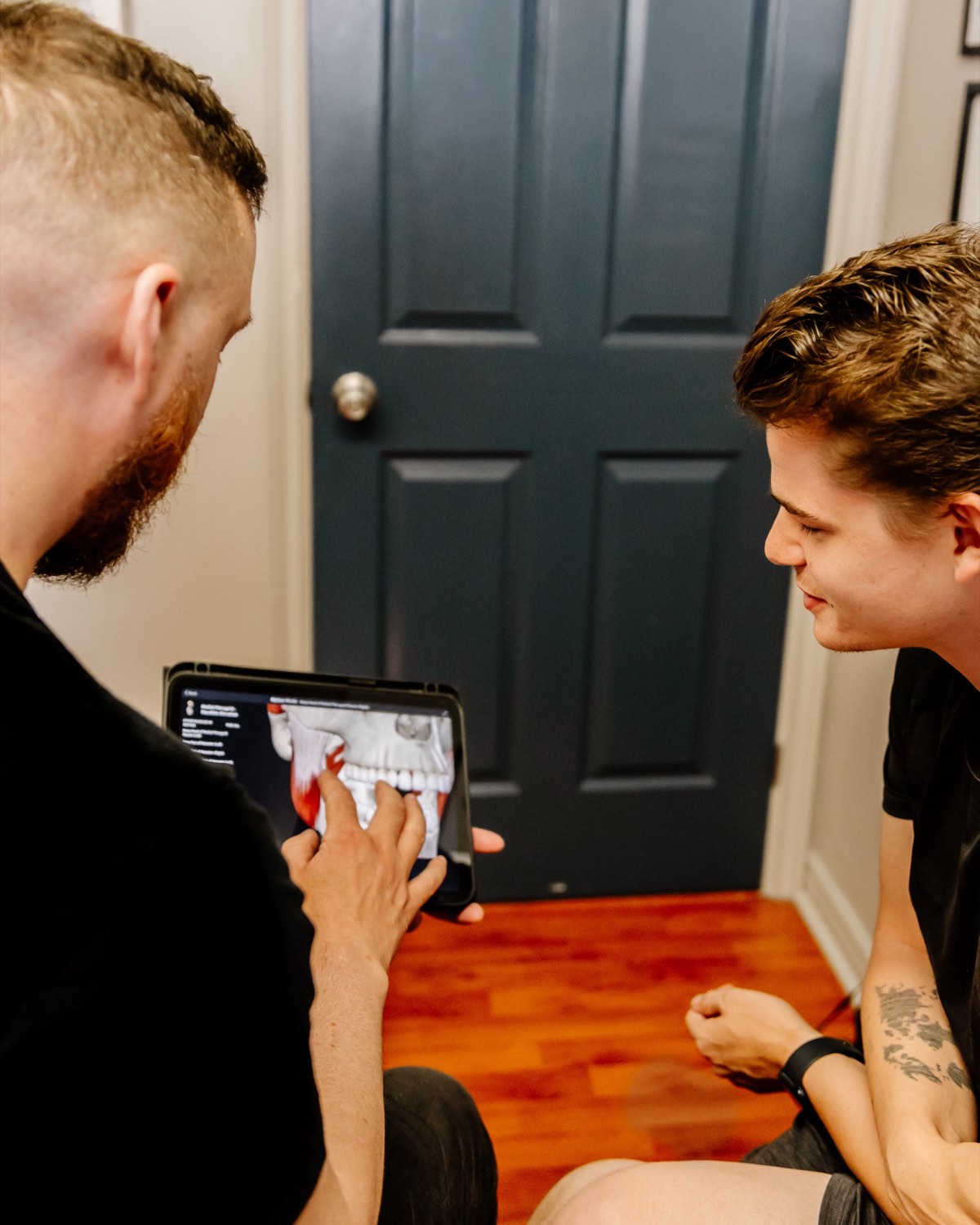
Some techniques can feel strong, especially when an area is already sensitive. A strong but manageable sensation is different from feeling like you need to brace yourself and survive it.
Please tell me if you notice:
I can use less pressure, slow down, change the angle, adjust your position, work on a different area, switch techniques, or stop completely.
You do not get bonus points for suffering quietly.
There is not one perfect pressure that works for every person, every body part, or every appointment.
You might enjoy firm pressure through your upper back but need much less around your neck or jaw. An area that tolerated deeper pressure during your last appointment may feel more sensitive today.
Your comfort can also change depending on what has happened since I last saw you. Poor sleep, stress, a recent injury, a pain flare-up, exercise, or simply having a rough week can affect what feels comfortable.
That is why I keep checking how the area is responding instead of choosing one pressure level and using it everywhere.
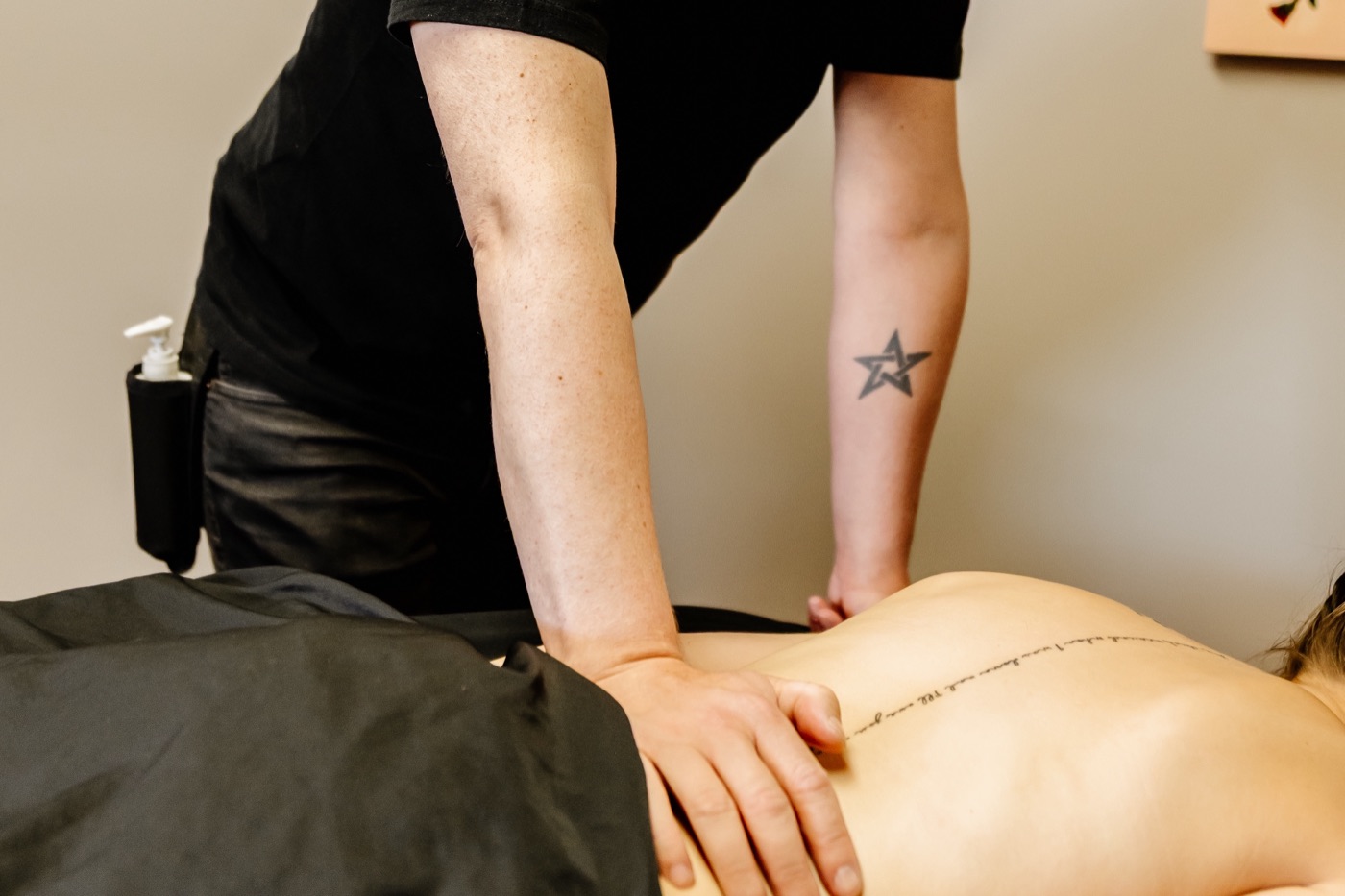
Some people notice a change after one appointment. They may move more comfortably, feel less tension, or notice that an area is not as sensitive.
For persistent pain or a problem that has been developing for a long time, one appointment may not be enough to create a lasting change.
That does not mean the first appointment failed.
Your symptoms may be influenced by your work, daily activities, previous injuries, stress, sleep, and how long the problem has been present. Those things do not suddenly disappear after one massage.
The first appointment gives us useful information. We can see how you respond, what changes, what does not change, and whether the treatment approach needs to be adjusted.
If you return, I am not simply repeating the same massage. I am using what we learned from the previous appointment to decide what makes sense next.
There is no schedule that is right for everybody.
Someone dealing with a recent flare-up or a persistent problem may benefit from appointments closer together at first. Someone who is feeling good and wants occasional maintenance may book monthly or only when needed.
Your treatment frequency should depend on:
I will explain what I recommend and why, but rebooking is always your choice. I am not going to tell every client that they need weekly massage indefinitely.
The right schedule is one that is realistic for you and continues to provide something useful.
If you have avoided massage because you are worried that deep tissue treatment will be painful, you do not need to be.
We can use firm pressure when it feels appropriate, but I will not try to force your body to tolerate my preferred style. We will adjust the treatment to you.
Ready to book? Use the Book Now button below to view my current availability and schedule your appointment.
Mathieu Boudreau, RMT
Come in sore, leave moving better.