
Registered massage therapy may include therapeutic massage, RAPID NeuroFascial Reset, IASTM, or cupping. The treatment approach is based on your health history, assessment findings, goals, comfort, and informed consent. You do not need to choose a technique when booking.
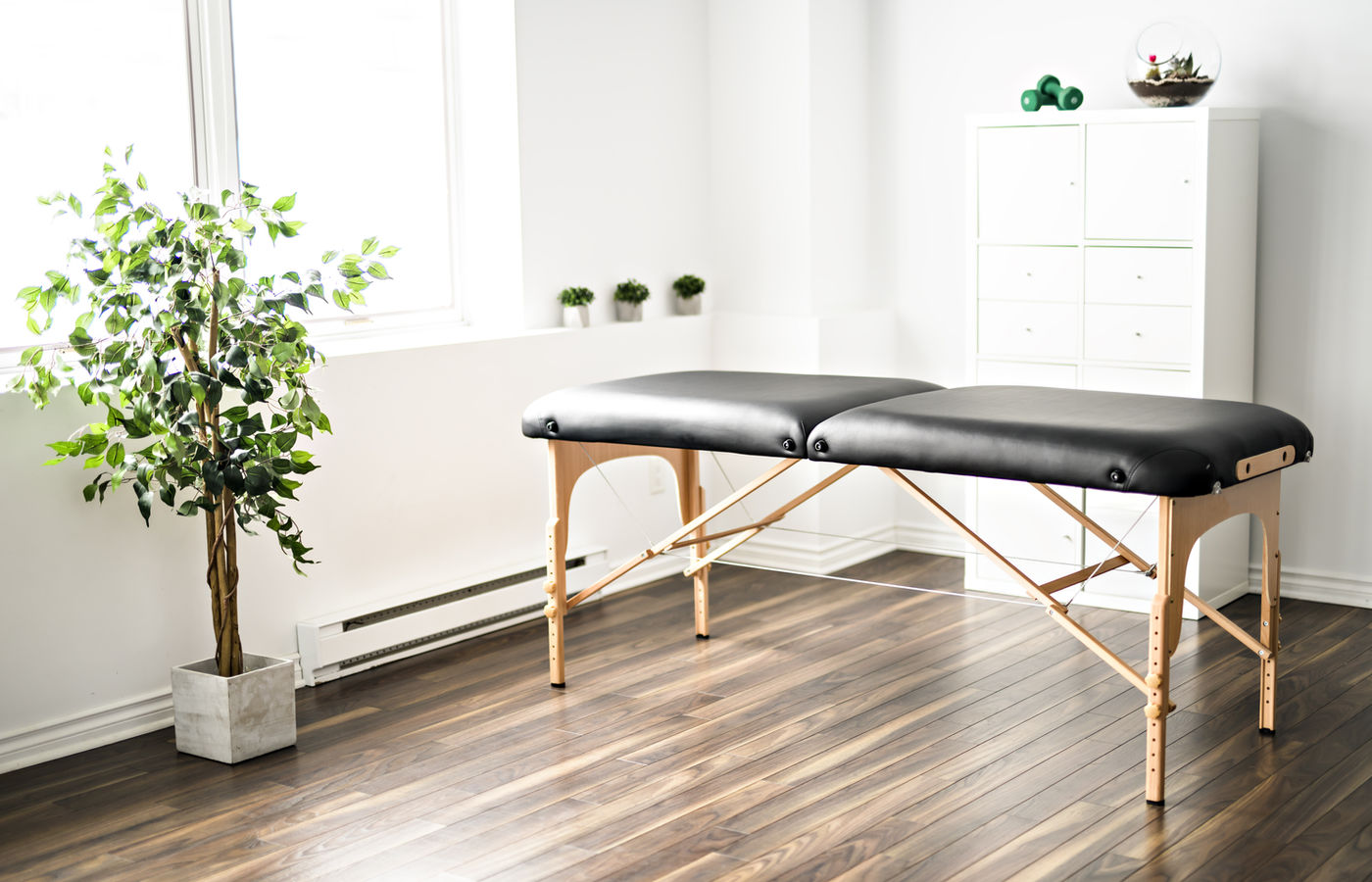
The foundation of treatment. RAPID, IASTM, or cupping may be included within it when appropriate, with your consent.
Therapeutic massage is a hands-on treatment focused on reducing muscle tension, improving movement, and helping the body recover from physical stress. Treatment can be adapted from lighter recovery-focused work to more targeted therapeutic techniques depending on your goals and symptoms. Deep tissue massage is available.
Most often used for: chronic muscle tension, postural stress, recovery, general stiffness, and ongoing maintenance care. Works well alongside RAPID and IASTM.
Direct billing: available for many insurance plans. Coverage depends on your individual plan.
Learn more about Registered Massage Therapy →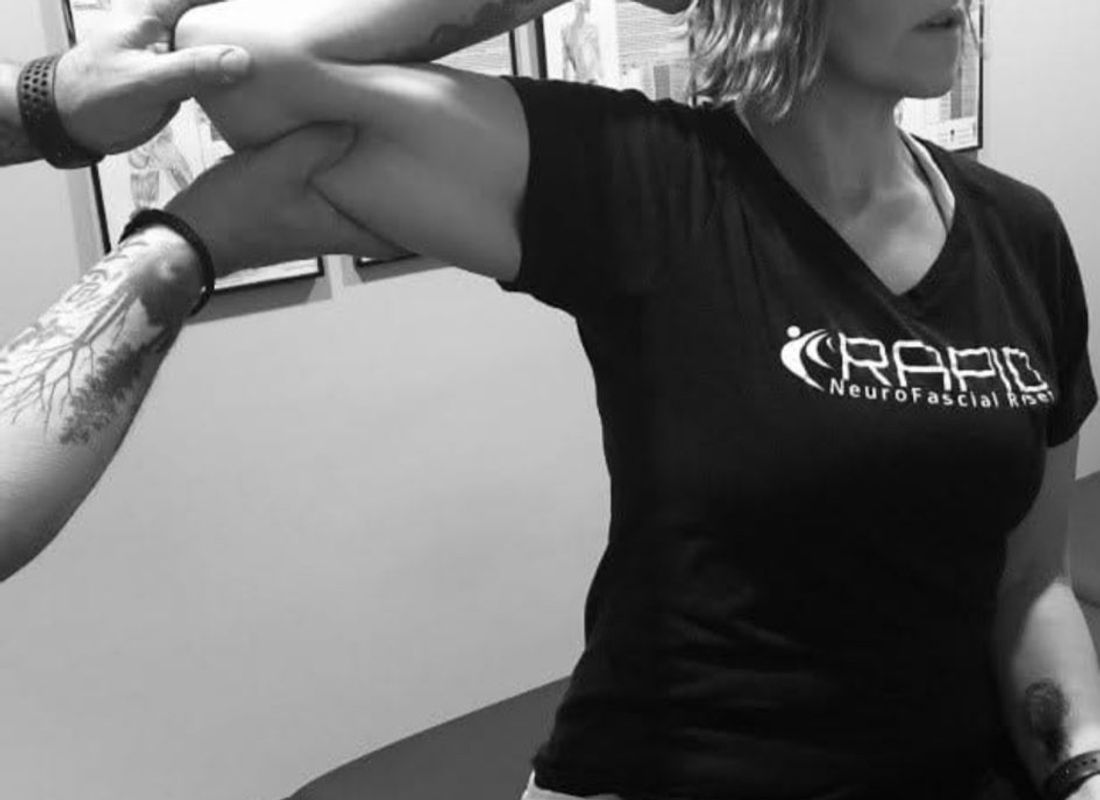
RAPID is an active, hands-on technique that combines therapist-applied pressure with guided movement. It may be included as part of treatment for pain, sensitivity, or movement restriction.
Most often used for: chronic neck and shoulder tension, nerve-related pain, restricted movement, headaches, pain or stiffness after injury, and persistent pain.
Additional training completed: RAPID upper body, lower body, and core.
Learn more about RAPID →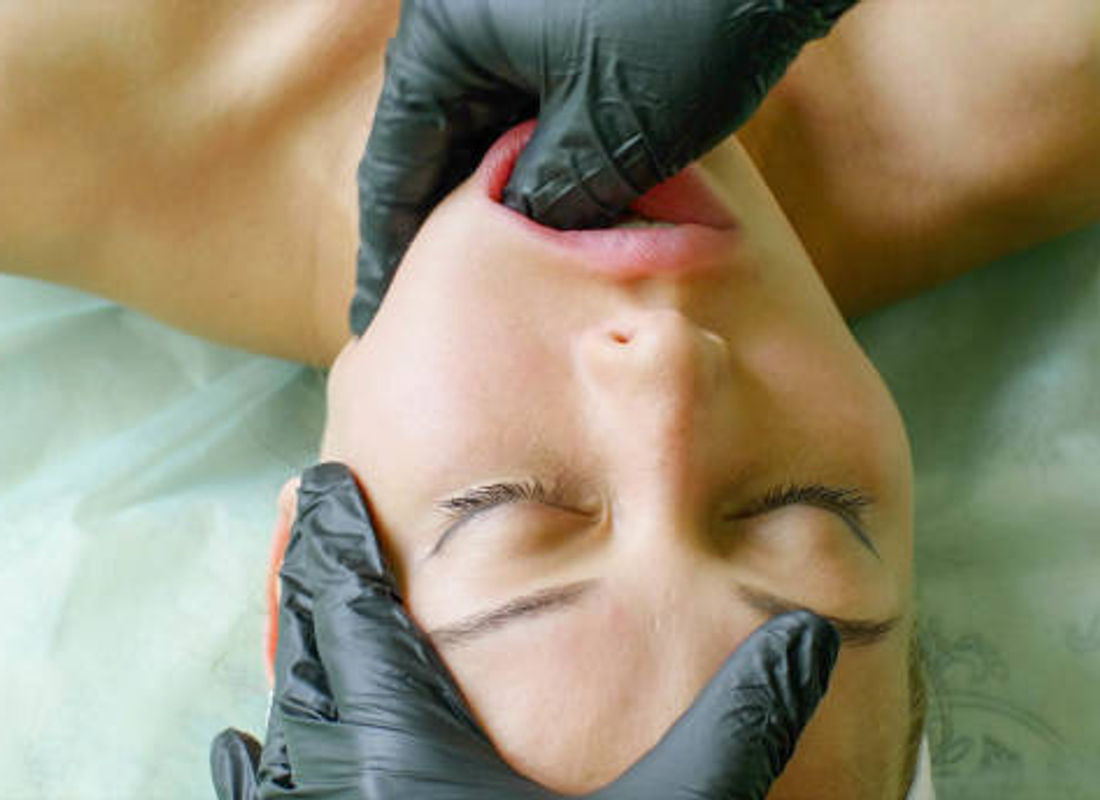
Treatment for jaw pain, clenching, grinding, or restricted opening, and headaches that may be associated with jaw or neck tension. Intraoral techniques may be included with specific informed consent.
May be considered for: TMJ-related jaw pain, headache-related neck or jaw tension.
How it's provided: TMJ work is included within registered massage therapy, following assessment and with your consent.
Learn more →
Note: copy informed by Mathieu's FMT Blades course material, modern, nervous-system-aware framing.
IASTM uses stainless steel instruments to apply controlled pressure and movement over the skin and superficial soft tissue. It may be included as part of treatment for pain, sensitivity, or movement restriction. Treatment intensity is adjusted to your comfort and is not intended to aggressively scrape or bruise the skin.
Most often used for: chronic tension that keeps coming back, lingering effects of old injuries or surgery, plantar fasciitis, tennis/golfer's elbow, IT band issues, rotator cuff restriction, and general movement restriction.
What to expect: some mild redness afterward, settling within a day. Aggressive bruising isn't part of this approach.
Learn more about IASTM →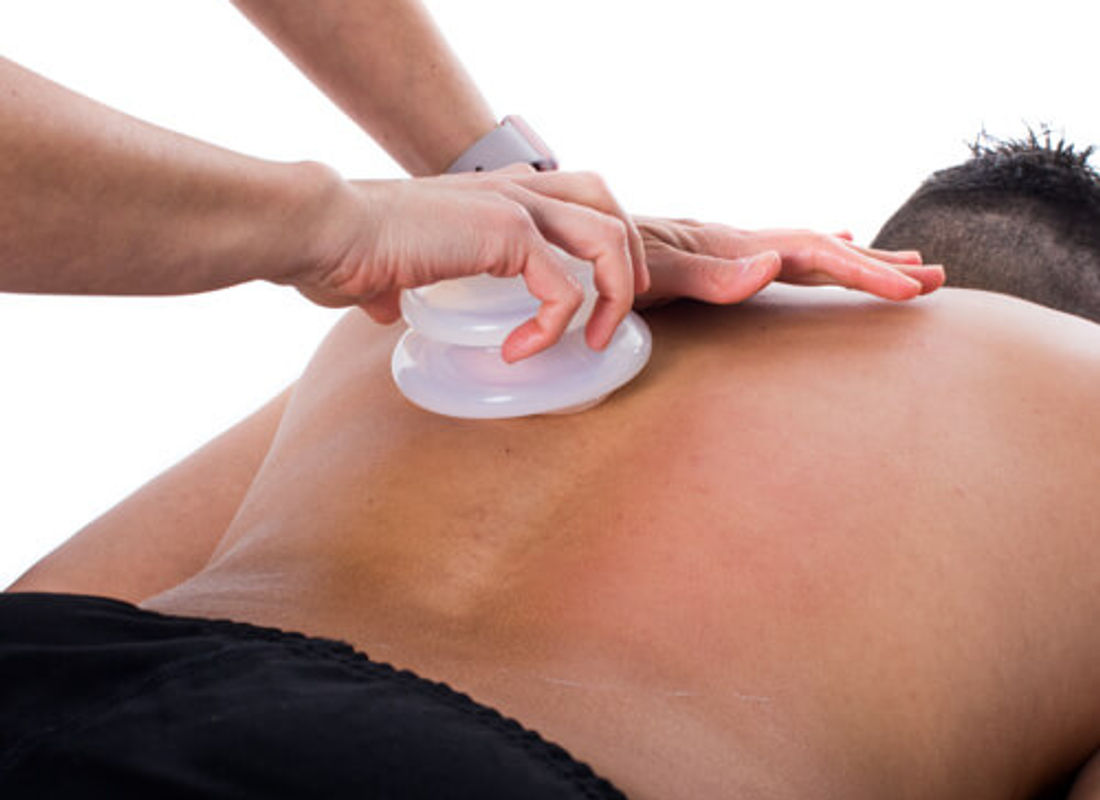
Cupping uses controlled suction on the skin. It may be included within a massage therapy treatment to address pain, muscle tension, or movement restriction. Cup placement, suction, and duration are adjusted to your comfort.
May be considered for: muscle tension, general stiffness, localized discomfort, or areas that are sensitive to direct pressure.
What to expect: temporary redness, tenderness, or circular marks may occur afterward. The appearance and duration of marking vary between clients.
Learn more about Cupping →Choose the appointment that matches where you are in care: your first visit, a follow-up treatment, or returning after a long break. You do not need to choose a technique when booking. Following the assessment, Mathieu will explain the recommended approach and obtain your consent before treatment begins.
Includes a health history review, discussion of your goals, an assessment, treatment, and development of an initial treatment plan.
Assessment-based treatment guided by your current symptoms, goals, response to previous care, and the areas being addressed.
Choose the duration that appears closest to your needs. If another duration seems more appropriate after discussion and assessment, Mathieu will explain why. Any change to the duration or fee will be discussed and agreed to with you, and made only when the schedule allows.
Intended for returning clients presenting with a new concern, returning after an extended break, or reporting significant changes in their symptoms, health status, or treatment goals.
Appointment time includes health history review, assessment or reassessment, treatment planning, treatment, documentation, and any necessary time for dressing or changing.