IASTM uses smooth stainless steel instruments to apply controlled pressure and movement over the skin and superficial soft tissues. It may be included within registered massage therapy to address pain, sensitivity, or restricted movement, following assessment and with your consent.
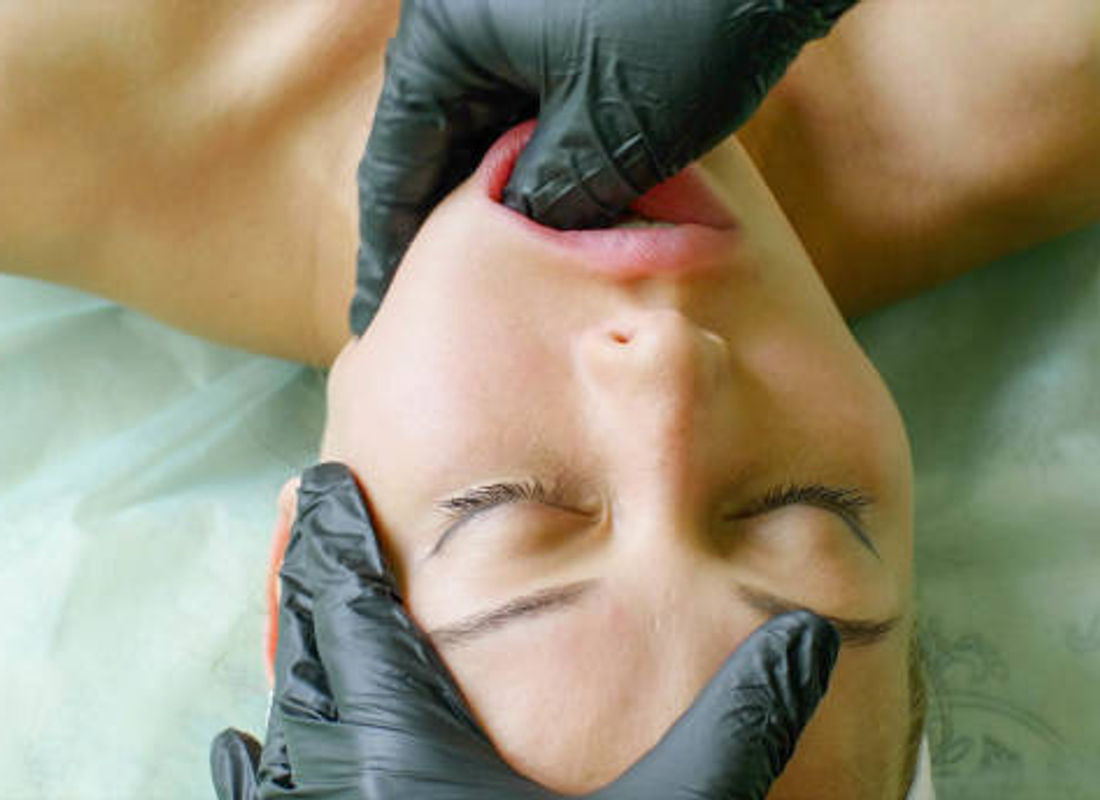
IASTM gives the therapist another way to apply controlled pressure and movement to a focused treatment area. The instruments may be used alongside therapeutic massage and active movement.
IASTM is not intended to aggressively scrape the skin or mechanically "break up" scar tissue. Current research suggests that several mechanical and neurophysiological responses may contribute to its effects, but the exact mechanism has not been established.
Pressure and technique are adjusted based on your comfort, symptoms, and response during treatment. Some reviews suggest possible benefits for pain and range of motion, but findings and certainty differ between reviews.
Following an assessment, IASTM may be considered for pain, sensitivity, muscle tension, or restricted movement. It is usually incorporated into a broader massage therapy treatment rather than used as a standalone service.
We'll discuss your concern, relevant health history, previous care, and treatment goals. A focused movement and physical assessment helps establish a baseline and determine if IASTM is appropriate. Initial visits generally require more assessment time than follow-up appointments.
If IASTM is appropriate, the instruments will be moved across selected areas using controlled pressure and different treatment angles. The sensation may feel focused or mildly uncomfortable, but pressure will be adjusted to your comfort. You may ask to modify or stop the technique at any time.
Relevant movements and symptoms may be reassessed during or after treatment to compare your response with the initial findings. The results help guide any changes to the treatment plan. Responses vary between clients.
Temporary redness, tenderness, or mild markings may occur after treatment. Significant bruising is not the treatment goal. You may receive brief movement or self-care recommendations based on your assessment and response.
Mathieu has completed continuing education in instrument-assisted soft tissue mobilization.
Book an Initial Assessment + Treatment if this is your first visit. IASTM may be included when appropriate, following assessment and with your consent. Returning clients can book a follow-up treatment based on the time needed.
Book Appointment